

Laparoscopic Hernia
Advanced Care for Fast Recovery
If you have a hernia causing a visible bulge, pain, or discomfort in your abdomen or groin, laparoscopic hernia surgery may be a suitable treatment option.
At Sahaj Hospital our General Surgery team evaluates your condition and recommends an appropriate surgical approach based on the type of hernia, its size and location, previous surgeries, and your overall health.
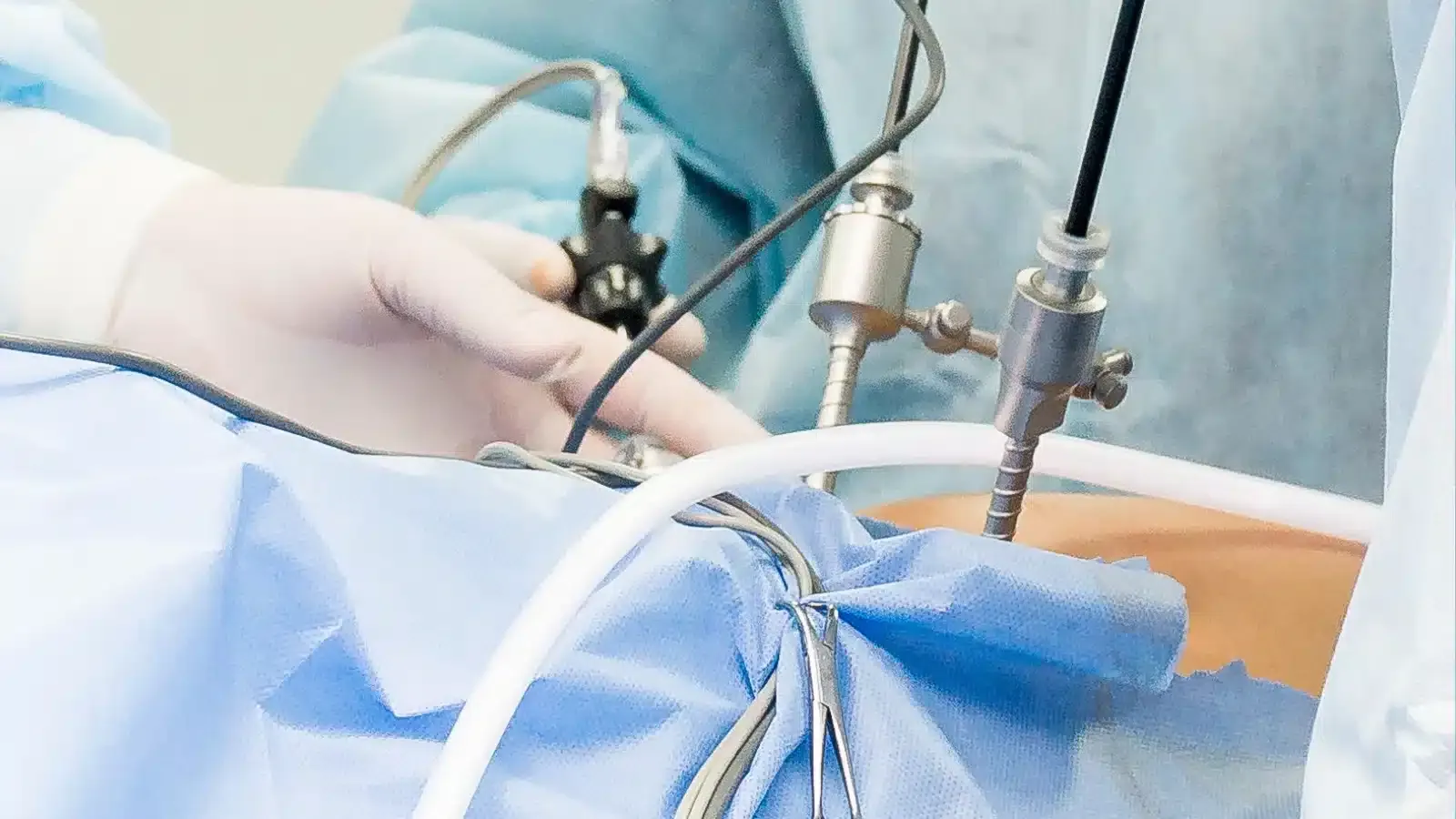
What is Laparoscopic Hernia Repair?
Laparoscopic Hernia Repair is a minimally invasive operation used to fix hernias—a condition where an organ or tissue pushes through a weak spot in the muscles.
This procedure uses small incisions and a laparoscope (a thin tube with a camera) to repair the hernia with precision. It leads to less pain, minimal scarring, and a quicker recovery compared to traditional open surgery.
Types of Hernia We Treat
Laparoscopic surgery may be considered for suitable cases of:
- Inguinal Hernia
- Femoral Hernia
- Umbilical Hernia
- Epigastric Hernia
- Incisional Hernia
The type of surgery recommended depends on the location, size, complexity, and other characteristics of the hernia.
Symptoms
Common symptoms of a hernia may include:
- A visible or noticeable bulge in the abdomen or groin
- Pain, discomfort, or pressure around the affected area
- Discomfort that becomes more noticeable while coughing, lifting, or straining
- A feeling of heaviness or pulling at the hernia site
Some hernias may cause few or no symptoms. If you notice a new or changing bulge, a surgical evaluation can help determine the cause and appropriate treatment.
Diagnosis
Hernia diagnosis generally begins with a physical examination and review of your symptoms and medical history.
The surgeon may examine the affected area while you are standing, coughing, or straining.
An ultrasound or CT may be recommended if further evaluation is needed.
Treatment Options
Surgery is the definitive treatment for many abdominal wall and groin hernias because the weakened area generally does not heal on its own or with medication.
At Sahaj Hospital laparoscopic hernia surgery provides a minimally invasive treatment option for suitable patients.
The surgical approach is determined by the type and size of the hernia, its symptoms, previous surgeries, and the patient's overall health.
Procedure
Before surgery, the surgeon evaluates your symptoms, medical history, previous surgeries, and the hernia itself.
During laparoscopic hernia surgery:
- Small incisions are made to access the surgical area.
- A laparoscope and specialized instruments are inserted.
- The hernia is accessed and the weakened area is repaired.
- Mesh may be placed when clinically appropriate.
- The instruments are removed and the incisions are closed.
The exact surgical technique depends on the type and complexity of the hernia.
The procedure typically lasts 1-2 hours, and most patients can return home the same day or within 24 hours.
Why Choose Laparoscopic Hernia Surgery?
- Minimal discomfort and pain after the operation
- Smaller incisions and reduced scarring
- Shorter hospital stays and quicker recovery
- Effective and long-lasting results
Recovery After Laparoscopic Hernia Surgery
- Recovery after laparoscopic (keyhole) hernia surgery generally takes 1 to 4 weeks for a return to normal daily routines.
- Full tissue healing and clearance for exercise may take 4 to 6 weeks, depending on the type and complexity of the surgery and your overall health.
Your surgeon will provide individual instructions regarding wound care, driving, work, exercise, and lifting.
Follow-up appointments help monitor your recovery and guide your return to normal activities.
Why Choose Sahaj Hospital for Laparoscopic Surgery?
Sahaj Hospital offers advanced 3D laparoscopic technology for minimally invasive surgical procedures.
Our General Surgery team evaluates each patient's condition to recommend a suitable surgical approach based on their individual needs.
Testimonials



24×7 helpline